Dubai Old Village: History, Souks, and Timeless Charm
- August 21, 2025
- Blogs
- Posted by Noor AlSaif Tourism LLC
- Leave your thoughts
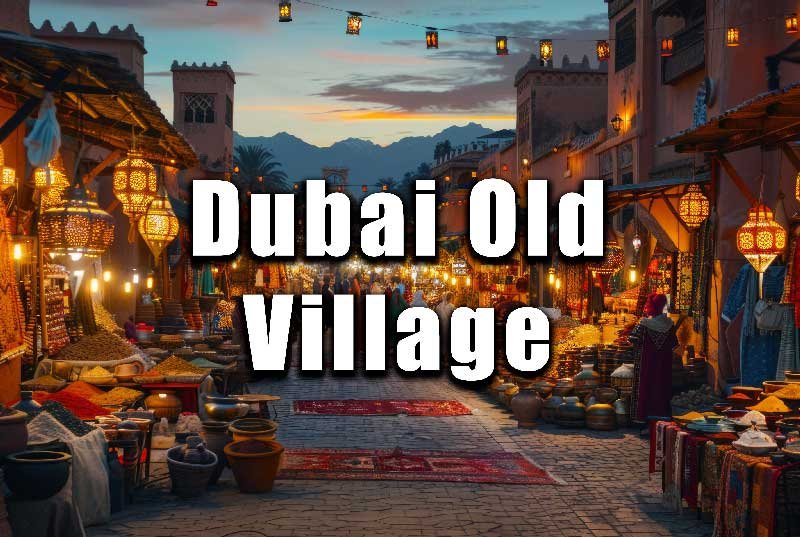
While Dubai is globally renowned for its futuristic skyline and ultramodern attractions, the true soul of the city resides in its historic heart: the Dubai Old Village. This area, centered around the life-giving Dubai Creek, is where the emirate’s story began—a tale of pearl divers, merchants, and Bedouin traditions. This guide provides everything you need to know to explore this captivating district, from its precise location and key attractions to ticket prices and practical tips for your visit. Prepare to step back in time and experience the authentic essence of Dubai.
Dubai Old City Location
The term “Dubai Old Village” refers not to a single pinpoint on a map but to a historic district straddling both sides of the Dubai Creek. This area is the original core from which the modern megacity grew.
-
Primary Areas: The Dubai Old Village encompasses the neighborhoods of Al Fahidi Historical Neighbourhood (formerly Bastakiya) and Al Seef on the Bur Dubai side (southwest of the creek), and the traditional souks (markets) and Dhow Wharfage on the Deira side (northeast of the creek).
-
Geographical Center: The Dubai Creek is the central artery that connects all these areas.
-
How to Get There:
-
By Metro: The easiest way. For the Bur Dubai side (Al Fahidi), use the Al Fahidi Metro Station on the Green Line. For the Deira side (souks), use the Al Ras Metro Station or Palm Deira Station (Green Line).
-
By Taxi/Car: You can taxi directly to any specific location like “Al Fahidi Historical Neighbourhood,” “Deira Gold Souk,” or “Al Seef.” Paid parking is available but can be limited.
-
By Abra: The most authentic arrival! Cross the creek from Deira to Bur Dubai (or vice versa) for just 1 AED.
-
Old Town Dubai Souk
The souks are the vibrant, bustling commercial heart of the Dubai Old Village, offering a sensory experience unlike any other. Haggling is expected and part of the culture.
-
Gold Souk (Deira): A world-famous labyrinth of over 300 retailers. The shop windows dazzle with intricate jewelry, from delicate necklaces to heavy traditional pieces. Even if you’re not buying, it’s a must-see spectacle.
-
Spice Souk (Deira): Just a short walk from the Gold Souk, this market engages all your senses. Sacks overflow with fragrant saffron, cinnamon, cardamom, dried herbs, and frankincense. The air is thick with an incredible aroma.
-
Textile Souk (Bur Dubai): Located near the abra station in Bur Dubai, this covered market is a rainbow of fabrics. You’ll find everything from silks and cottons to ready-made garments. Many shops have tailors who can create custom outfits in 24 hours.
Dubai Old City Ticket Price
One of the best aspects of exploring the Dubai Old Village is that much of it is completely free to explore.
-
Public Access Areas (Free): Wandering through the alleys of the Al Fahidi Historical Neighbourhood, exploring the souks, walking along the Creek, and riding an abra (1 AED) are all free activities.
-
Attractions with Entry Fees:
-
Dubai Museum (Al Fahidi Fort): 3 AED for adults. Note: The Dubai Museum is currently closed for renovation until further notice.
-
Sheikh Mohammed Centre for Cultural Understanding (SMCCU): Access to the center is free, but their highly recommended cultural tours and meals have fees (e.g., around 80 AED for a heritage tour, 110 AED for a cultural breakfast/lunch).
-
Other Museums: Smaller museums like the Coin Museum and Coffee Museum often request a small entry fee or a donation (typically 5-10 AED).
-
Dubai Old City Places to Visit
Beyond the souks, the Dubai Old Village is rich with cultural and historical sites.
-
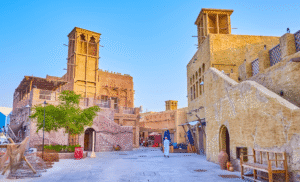
Al Fahidi Historical Neighbourhood: Get lost in the winding lanes of this restored quarter. Admire the traditional architecture featuring wind towers (barjeels), visit art galleries, and relax in peaceful courtyard cafés.
-
Al Seef: Stroll along this modern waterfront development designed to mimic a traditional Dubai Old Village. It’s perfect for shopping, dining with creek views, and taking beautiful photographs.
-
Dubai Museum (Al Fahidi Fort): Housed in the city’s oldest building (1787), it offers a fascinating look at Dubai’s rapid transformation. (Check reopening status).
-
Abra Ride: You cannot leave without taking a trip on a traditional wooden abra boat. It’s the cheapest and most authentic way to see the creek.
-
Dhow Wharfage: Walk along the Deira creek bank behind the souks to see massive traditional wooden dhows being loaded with cargo, a practice that continues today.
-
Heritage and Diving Villages: Located near the mouth of the creek in the Shindagha area, these villages offer glimpses into pearl diving and Bedouin life (often free entry).
Old City Dubai Timings
Timings are crucial for planning your visit, especially in the hotter months.
-
Souks (Gold, Spice, Textile): Generally open from 10:00 AM – 10:00 PM (Saturday to Thursday) and 4:00 PM – 10:00 PM on Fridays. However, many shops in the spice and textile souks may open earlier and close later.
-
Al Fahidi Historical Neighbourhood: Open 24/7 to walk through. Museums and galleries inside typically operate from 9:00 AM – 5:00 PM or 10:00 AM – 6:00 PM.
-
Al Seef: The retail and dining establishments at Al Seef generally follow mall timings: 10:00 AM – 10:00 PM (weekdays) and 10:00 AM – 12:00 AM (midnight) on weekends (Thursday-Saturday).
-
Abras: Run from approximately 5:00 AM – 12:00 AM (midnight) daily.
-
Best Time to Visit: The ideal time to explore is from October to March during the cooler winter months. Plan your visit for late afternoon so you can explore the historical sites in the daylight and experience the souks and creek ambiance as the sun sets and the temperatures drop.
Conclusion
The Dubai Old Village is an indispensable chapter in the story of Dubai. It offers a powerful and poignant contrast to the glass and steel towers of the modern city. A journey here is a journey to the roots of Emirati culture—a world of timeless trade, aromatic spices, gleaming gold, and tranquil creek waters. It’s a profoundly authentic experience that provides context and depth to your understanding of this dynamic emirate. No trip to Dubai is truly complete without paying a visit to the place where it all began.
Frequently Asked Questions (FAQs)
Q1: Is the Dubai Old Village the same as Bur Dubai?
Bur Dubai is a larger district, and the Dubai Old Village (specifically Al Fahidi and the Textile Souk) is a historic part of it. The term “Old Dubai” often refers to both the Bur Dubai and Deira sides of the creek.
Q2: How much time should I spend in the Dubai Old Village?
Plan for at least half a day (4-5 hours) to explore at a relaxed pace. A full day allows you to immerse yourself completely without feeling rushed.
Q3: What is the best way to get between the souks in Deira and Al Fahidi in Bur Dubai?
The abra is the best, cheapest (1 AED), and most authentic way to cross the creek. The ride takes about 5-10 minutes.
Q4: Is it safe to explore the Dubai Old Village?
Yes, absolutely. Dubai is one of the safest cities in the world, and this extends to the old quarters. Standard precautions against pickpocketing in crowded market areas are always advised.
Q5: What should I wear when visiting?
While the area is more relaxed than a mall, dressing modestly is respectful. Clothing that covers the shoulders and knees is recommended.
Q6: Can I use a credit card in the souks, or do I need cash?
While some larger shops in the gold souk accept cards, cash (AED) is king in the spice and textile souks and for small purchases. It is also essential for riding the public abra.